

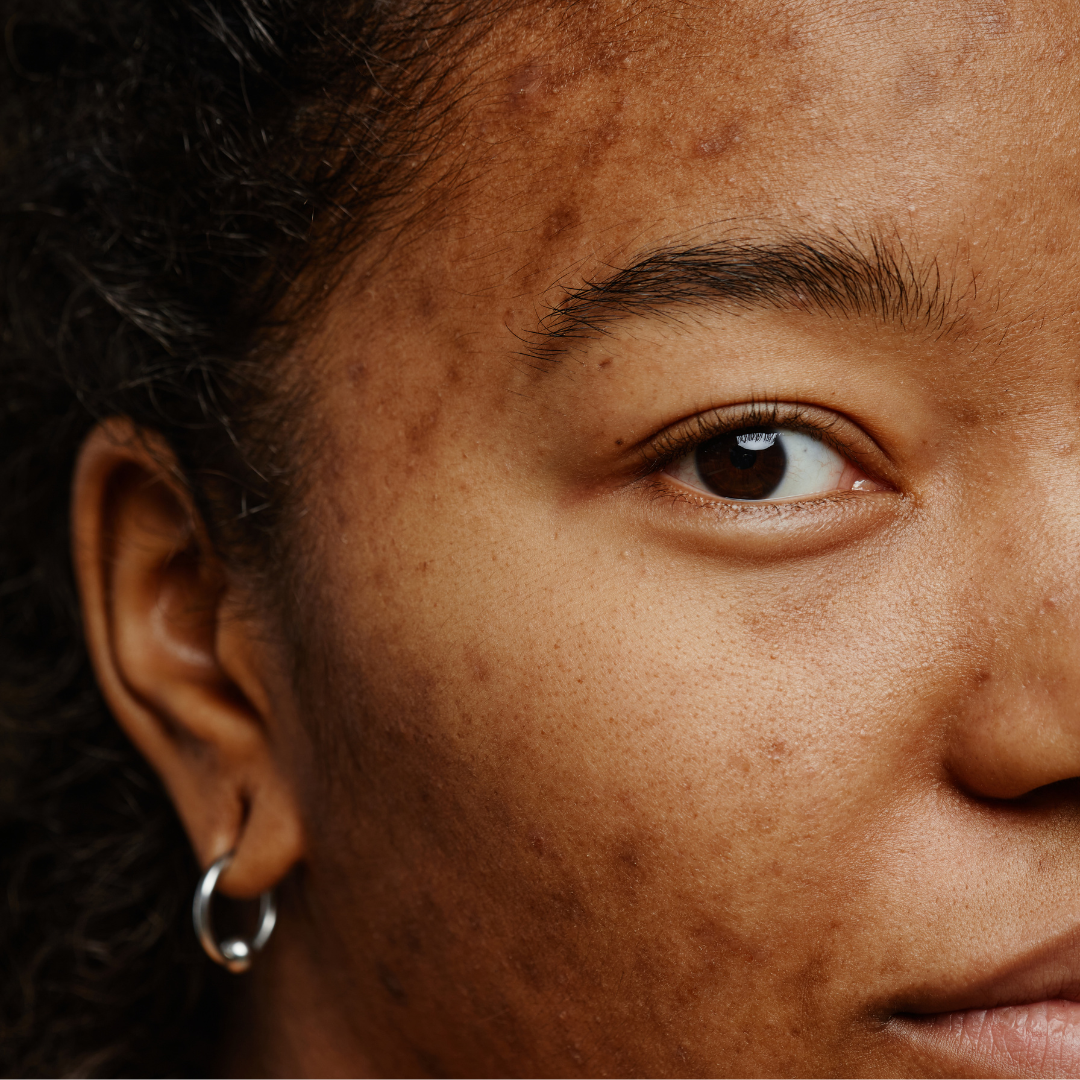
What is Hyperpigmentation? Everything You Need to Know
If you have ever noticed dark patches, uneven skin tone or stubborn spots on your skin that just will not fade, you are dealing with hyperpigmentation. It is one of the most common skin concerns for women with Melanated skin, and one of the most misunderstood.
What is Hyperpigmentation?
Hyperpigmentation is the overproduction of melanin in specific areas of the skin. Melanin is the pigment responsible for giving your skin its colour. When certain triggers cause melanin-producing cells called melanocytes to go into overdrive, excess pigment builds up in localised areas, creating patches or spots that are darker than your natural skin tone.
It is not a dangerous condition, but it can have a significant impact on confidence. And on Melanated skin, it tends to be more pronounced and longer lasting than on lighter skin tones.
What Causes Hyperpigmentation?
- Sun exposure is the most significant cause. UV rays stimulate melanin production as a protective response, which is why dark spots often worsen after time spent outdoors without SPF.
- Post-inflammatory hyperpigmentation (PIH) occurs after skin trauma such as acne, a cut or an allergic reaction. Once the irritation heals, a dark mark is left behind.
- Hormonal changes, particularly during pregnancy or when using hormonal contraceptives, can trigger a type of hyperpigmentation called melasma.
- Certain medications including some antibiotics and steroids can cause skin darkening as a side effect.
- Skin bleaching products that contain harsh chemicals can cause uneven damage and discolouration over time.
Types of Hyperpigmentation
Post-Inflammatory Hyperpigmentation (PIH)
PIH is the most common type on Melanated skin. It appears as flat, darkened patches left behind after acne, ingrown hairs or any skin injury. On deeper skin tones, PIH can persist for months or even years without the right treatment.
Melasma
Melasma typically appears as symmetrical brown or grey-brown patches on the cheeks, forehead and upper lip. It is closely linked to hormonal changes and sun exposure and tends to be one of the more stubborn forms of hyperpigmentation to treat.
Sun Spots and Age Spots
These are small darkened patches that develop on areas frequently exposed to the sun. They are more common from the mid-30s onwards and are directly caused by cumulative UV exposure over time.
Dark Knuckles and Joints
Darkening of the knuckles, elbows and knees is particularly common on Melanated skin and is often caused by friction, pressure or a natural concentration of melanin in those areas. Our Dark Knuckles & Feet System is specifically designed to treat this.
Why is Hyperpigmentation Worse on Darker Skin?
Melanin-rich skin has significantly more active melanocytes than lighter skin tones. This means the pigment response to any trigger is faster, stronger and more persistent. A dark spot that might fade in a few weeks on lighter skin can take months to fade on Melanated skin without active treatment.
The Full Range of Effective Ingredients
Melanin Inhibitors
- Alpha-Arbutin is one of the gentlest and most effective melanin inhibitors available. It slows down pigment production at the source without irritating Melanated skin.
- Kojic Acid inhibits the tyrosinase enzyme responsible for melanin production and is particularly effective for stubborn dark spots and post-acne marks. Found in our Active Fading Serum.
- Tranexamic Acid works on multiple pathways to reduce melanin production and is particularly effective for melasma.
- Niacinamide (Vitamin B3) reduces the transfer of melanin to skin cells and strengthens the skin barrier.
- Azelaic Acid inhibits melanin production and reduces inflammation, making it a good option for sensitive skin.
- Licorice Root Extract is a plant-based brightening ingredient with anti-inflammatory properties.
Exfoliants and Cell Turnover Accelerators
- AHAs including Glycolic, Lactic and Mandelic Acid accelerate skin cell turnover. Found in our Deep Cleansing Gel and FadeBright Moisturiser.
- BHAs, particularly Salicylic Acid, penetrate deeper into pores to reduce congestion and inflammation.
- Retinoids and Retinol significantly accelerate cell turnover and are highly effective but always require SPF.
Antioxidants
- Vitamin C (L-Ascorbic Acid) brightens skin, neutralises free radical damage and enhances SPF protection. Our Vitamin C Glow Serum contains 15% L-Ascorbic Acid for maximum brightening.
Sun Protection
- SPF50 daily is the single most important step. UV exposure is the primary cause of new hyperpigmentation and will undo the progress made by any active treatment. Our COSRX Aloe Soothing SPF50 leaves no white cast and is ideal for Melanated skin.
Build a Routine That Works
For a complete hyperpigmentation routine, try our Skin Radiant Corrective Complexion Moisturiser and Skin Radiant Corrective Complexion Lotion alongside your serums and SPF. Most customers see visible improvement within 4 to 6 weeks of consistent daily use.
Start Your Free Skin Consultation
Not sure where to start? Our Beauty Experts will build you a bespoke skincare routine tailored specifically to your skin. Completely free, no obligation.
Start your free skin consultation here
You deserve beautiful skin. 💜
Read more
Why Hyperpigmentation is Harder to Treat on Dark Skin, And What Actually Works
Why Hyperpigmentation is Harder to Treat on Dark Skin, And What Actually Works If you've spent years trying product after product to fade dark spots, you're not alone, and you're not imagining it. ...
Read moreHyperpigmentation Around the Mouth: Causes and How to Treat It
Dark patches around the mouth are common on Melanated skin. Learn what causes hyperpigmentation around the mouth and the most effective treatments available.
Read more