

Hyperpigmentation Around the Mouth: Causes and How to Treat It
Dark patches around the mouth are one of the most common and frustrating forms of hyperpigmentation for women with Melanated skin. They can appear around the lips, on the upper lip, the chin or the corners of the mouth, and they tend to be particularly stubborn to treat.
Why Does Hyperpigmentation Appear Around the Mouth?
- Hormonal changes are one of the most common causes. Melasma frequently appears on the upper lip and chin, particularly during pregnancy and in women taking hormonal contraceptives.
- Shaving or hair removal around the lip area causes repeated micro-trauma and inflammation, which triggers post-inflammatory hyperpigmentation on Melanated skin.
- Waxing and threading can have the same effect, causing darkening along the upper lip over time.
- Sun exposure darkens any existing pigmentation and stimulates new melanin production.
- Toothpaste ingredients including fluoride and sodium lauryl sulphate can cause contact dermatitis around the mouth in some people.
- Lip licking and repeated moisture from saliva can irritate the skin and trigger PIH.
Effective Ingredients for Hyperpigmentation Around the Mouth
The skin around the mouth is thinner and more sensitive than other facial areas, so the right ingredients matter significantly here.
Targeted Fading Ingredients
- Kojic Acid and Alpha-Arbutin together form one of the most effective combinations for this area. They inhibit melanin production through complementary pathways. Our Active Fading Serum contains both and is ideal for targeted evening treatment.
- Tranexamic Acid is particularly useful for hormonal pigmentation like melasma around the mouth.
- Azelaic Acid is gentle enough for daily use on the sensitive skin around the mouth.
- Niacinamide reduces melanin transfer and is very well tolerated around the mouth. It can be layered with most other actives.
Brightening and Cell Turnover
- Vitamin C in the morning brightens existing pigmentation and prevents new spots forming. Our Vitamin C Glow Serum with 15% L-Ascorbic Acid is one of the most important morning routine products for this concern.
- Lactic Acid or Mandelic Acid provide gentle exfoliation without the potential irritation of stronger acids. Found in our FadeBright Moisturiser.
- Retinol used carefully in the evening can significantly accelerate fading of stubborn mouth area pigmentation. Always introduce gradually and use with SPF.
Sun Protection
- SPF50 daily applied across the entire face including the area around the mouth is non-negotiable. Our COSRX Aloe Soothing SPF50 absorbs fully with no white cast, making it easy to wear every day.
Additional Treatment Tips
Be Careful With Hair Removal
If shaving, waxing or threading is contributing to your pigmentation, consider switching methods or spacing out treatments. Always apply a soothing product after hair removal to calm inflammation. Our Calm & Gentle Moisturiser is ideal for post-removal soothing.
Check Your Toothpaste
If darkening is concentrated directly around your lips, try switching to a fluoride-free or sensitive formula and observe over several weeks.
How Long Does It Take to Fade?
With a consistent routine using the right products, most customers see visible improvement within 8 to 12 weeks. Hormonal pigmentation such as melasma typically takes longer and may need additional support.
Get a Personalised Routine for Your Skin
Book your free skin consultation here
You deserve beautiful skin. 💜
Read more
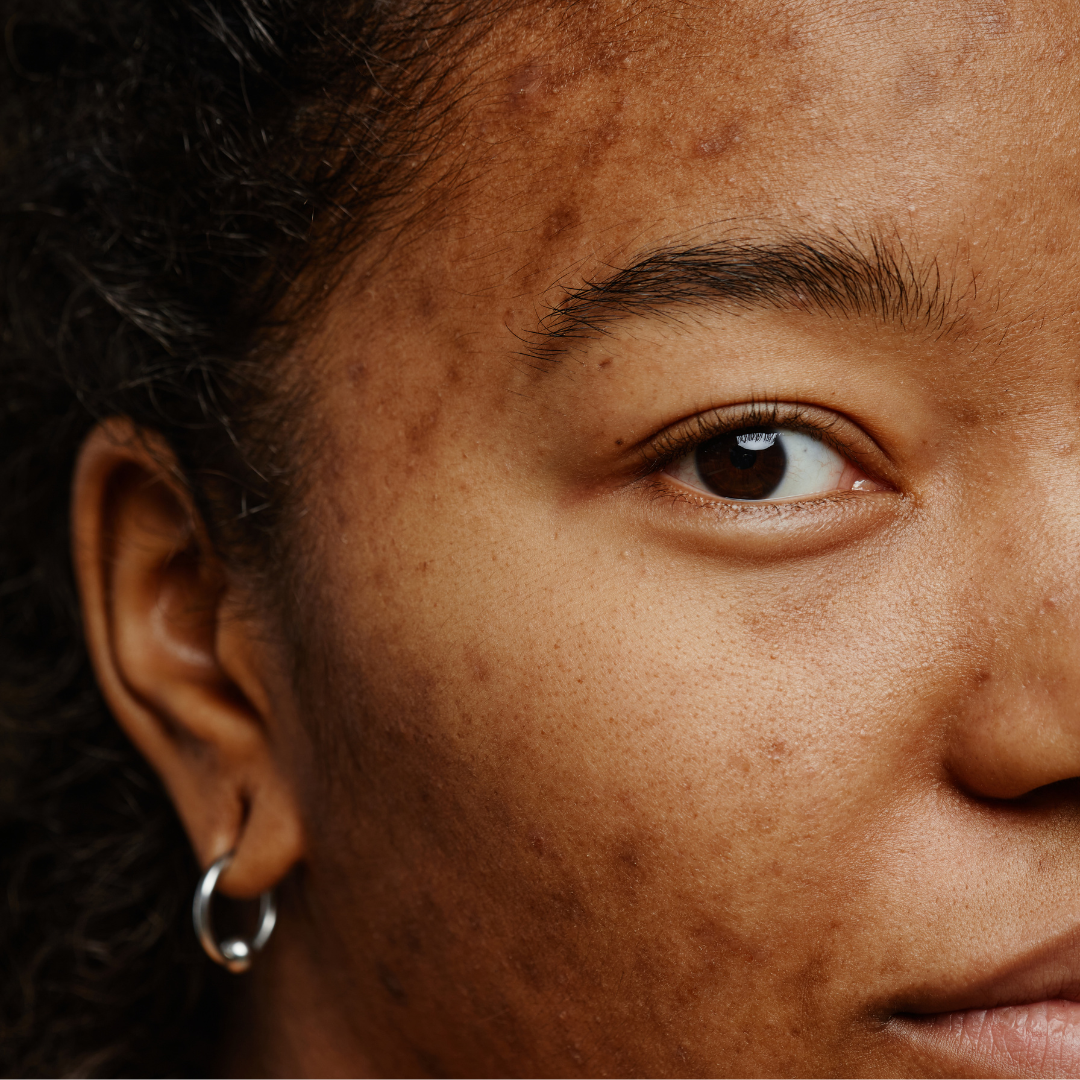
What is Hyperpigmentation? Everything You Need to Know
Hyperpigmentation causes dark spots and uneven skin tone on Melanated skin. Learn what causes it, the different types, and how to treat it effectively.
Read more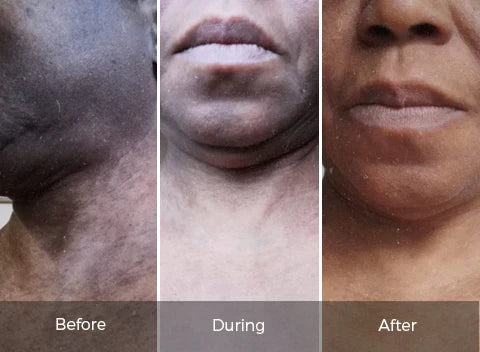
How to Get Rid of Uneven Skin Tone on Melanated Skin
Uneven skin tone is caused by excess melanin production and is particularly persistent on Melanated skin. Learn the most effective ingredients and routines to achieve an even complexion.
Read more