

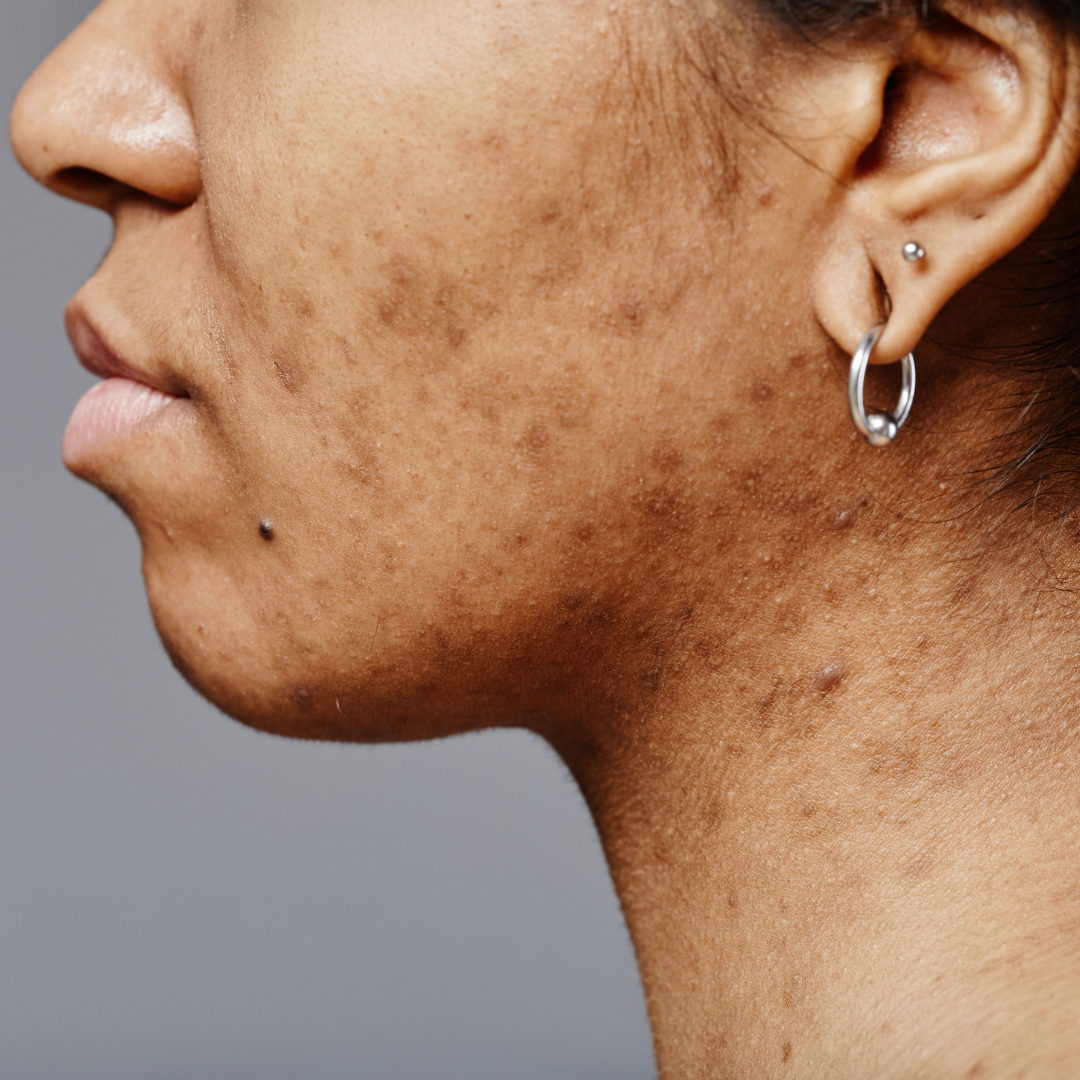
What Does Acne Prone Skin Mean? A Complete Guide for Melanated Skin
If you have been told you have acne prone skin, or if you notice that your skin breaks out regularly, you might be wondering what that actually means and more importantly, what you can do about it. This guide covers everything you need to know, with a specific focus on Melanated skin, where acne brings an extra challenge that most mainstream skincare completely ignores.
What Does Acne Prone Skin Mean?
Acne prone skin is skin that is predisposed to breaking out regularly. It does not mean you will always have active acne, but it does mean your skin produces excess sebum, your pores are more likely to become blocked, and your skin's inflammatory response to bacteria tends to be stronger than average.
The result is a cycle of breakouts, inflammation and, on Melanated skin, dark marks that can persist long after the original spot has healed.
What Causes Acne Prone Skin?
- Excess sebum production is the primary driver. When your sebaceous glands produce too much oil, it mixes with dead skin cells and blocks the hair follicle, creating the perfect environment for acne-causing bacteria to multiply.
- Hormonal fluctuations are one of the most common triggers, particularly during puberty, the menstrual cycle, pregnancy and the perimenopause. Androgens stimulate sebum production, which is why hormonal acne tends to appear on the lower face, jaw and chin.
- Genetics play a significant role. If your parents had acne prone skin, you are more likely to have it too.
- Diet can be a contributing factor for some people. High glycaemic foods and dairy have been linked to acne in some studies, though the evidence varies between individuals.
- Stress triggers the release of cortisol, which stimulates sebum production and promotes inflammation, both of which worsen acne.
- Using the wrong products is a very common but overlooked cause. Heavy, occlusive moisturisers or products containing pore-blocking ingredients can trigger or worsen breakouts on acne prone skin.
- Not cleansing thoroughly allows oil, dead skin cells and makeup to accumulate in pores overnight, leading to breakouts.
Why Acne Is More Damaging on Melanated Skin
On lighter skin tones, a spot heals and the skin largely returns to its previous appearance within a few weeks. On Melanated skin, it is rarely that simple.
Every spot triggers an inflammatory response, and on skin with higher melanin levels, that inflammation almost always leaves behind post-inflammatory hyperpigmentation (PIH). These are the dark marks that remain long after the acne itself has cleared. They can take months or even years to fade without the right treatment, and they are often more distressing than the acne itself.
This means that for Melanated skin, treating acne is a two-part problem. You need to address the active breakouts and prevent new ones, and you need to fade the dark marks they leave behind. Most mainstream acne products only address the first part.
The Difference Between Acne Prone and Oily Skin
These two skin types often overlap but they are not the same thing. Oily skin produces excess sebum but does not necessarily break out regularly. Acne prone skin may not always look oily, particularly if you have combination or even dry skin that still breaks out. Some people have dry acne prone skin, where the skin is dehydrated but still prone to blocked pores and inflammation.
How to Build a Skincare Routine for Acne Prone Melanated Skin
Step 1: Cleanse
Start with a cleanser that removes excess oil and begins gentle exfoliation without stripping the skin barrier. Our Deep Cleansing Gel is formulated with AHA and BHA to deeply cleanse pores, control oil and reduce the buildup of dead skin cells that cause blockages. It is oil free, oil controlling and ideal for acne prone skin.
If your skin is on the more sensitive or dry side, our Gentle Facial Cleanser provides a thorough cleanse without disrupting the skin barrier.
Step 2: Tone and Treat Active Breakouts
After cleansing, a targeted toner helps to clear remaining debris from pores and reduce the bacteria that cause breakouts. Our Anti Blemish and Acne Astringent contains Salicylic Acid and is specifically formulated to tackle active breakouts while being gentle enough for regular use on Melanated skin.
For deeper pore clearing and a more intensive treatment, our Camphor Clarifying Astringent targets congestion and reduces the inflammation associated with acne prone skin.
Step 3: Fade Dark Marks
This is the step that most acne routines miss entirely. Every time you have a breakout on Melanated skin, you need a targeted treatment to prevent the resulting dark mark from becoming permanent. Our Active Fading Serum combines Kojic Acid and Alpha-Arbutin to inhibit melanin production at the source, gradually fading existing post-acne marks and preventing new ones from becoming as dark. Use this in the evening on affected areas.
Step 4: Moisturise
Acne prone skin still needs moisture. Skipping moisturiser actually worsens oiliness because the skin compensates by producing more sebum. Choose a lightweight, non-comedogenic moisturiser. Our FadeBright Moisturiser hydrates while continuing to work on uneven skin tone, making it ideal for acne prone Melanated skin.
Step 5: Protect With SPF Every Morning
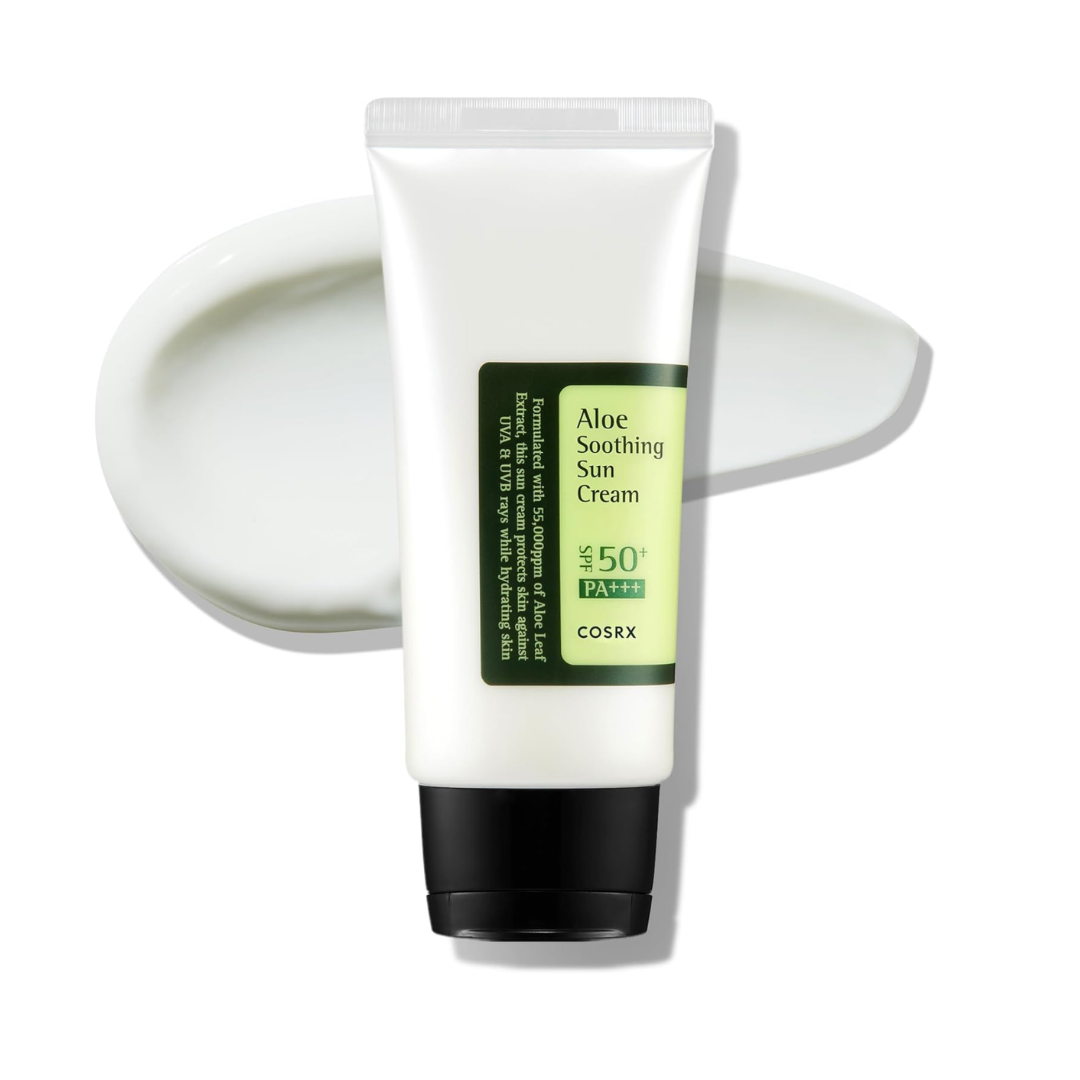
This is non-negotiable. Every time a post-acne dark mark is exposed to UV rays without protection, it darkens further and takes longer to fade. Our COSRX Aloe Soothing SPF50 is lightweight, absorbs fully with no white cast and is ideal for daily use on acne prone Melanated skin.
Key Ingredients to Look for in Acne Prone Skin Products
- Salicylic Acid (BHA) penetrates into the pore to dissolve oil and dead skin cells. The most effective ingredient for preventing and treating blocked pores.
- Niacinamide (Vitamin B3) regulates sebum production, reduces inflammation and minimises pore appearance. Very well tolerated on Melanated skin.
- AHAs (Glycolic and Lactic Acid) exfoliate the skin surface to prevent dead skin cell buildup that contributes to blocked pores.
- Kojic Acid and Alpha-Arbutin for fading post-acne hyperpigmentation on Melanated skin.
- Tea Tree has natural antibacterial properties that help reduce acne-causing bacteria on the skin surface.
- Azelaic Acid both kills acne-causing bacteria and inhibits melanin production, making it particularly valuable for Melanated skin dealing with both active acne and dark marks.
What to Avoid if You Have Acne Prone Skin
- Heavy, occlusive creams that block pores
- Products with high fragrance content which can irritate and inflame the skin
- Physical scrubs which cause micro-tears and worsen inflammation
- Skipping moisturiser, which triggers more oil production
- Touching your face, which transfers bacteria from your hands
- Picking at spots, which causes more inflammation and significantly worsens dark marks on Melanated skin
How Long Does It Take to See Results?
With a consistent routine, most people with acne prone skin see a reduction in active breakouts within 4 to 6 weeks. Fading existing dark marks takes longer, typically 8 to 12 weeks of daily use of targeted brightening ingredients.
Consistency matters more than anything else. Switching products every few weeks prevents you from seeing results from any of them.
Get a Routine Built for Your Acne Prone Melanated Skin
Everyone's skin is different. The right routine depends on your skin tone, how oily your skin is, what type of breakouts you get and what dark marks you are dealing with. Our Beauty Experts offer a completely free personalised skin consultation to help you build the right routine for your specific skin.
Start your free skin consultation here
You deserve beautiful skin. 💜
Read more
SPF for Dark Skin: Why You Still Need It Every Single Day
Think SPF is only for lighter skin tones? Think again. Here is why daily sun protection is even more important for Melanated skin and how to choose the right formula.
Read more
Facial Astringent vs Toner: What is the Difference and Which Does Your Skin Need?
Astringent and toner are two of the most confused products in skincare. They sit in the same part of your routine, they come in similar bottles, and many people use the terms interchangeably. But t...
Read more