

SPF for Dark Skin: Why You Still Need It Every Single Day
There is a myth that has been circulating in beauty and wellness spaces for years, and it is time to put it to rest for good.
The myth is this: people with darker skin tones do not need SPF because melanin provides natural sun protection. It sounds plausible. It is repeated constantly. And it is wrong.
If you have Melanated skin and you are skipping sunscreen, you are not just missing out on anti-ageing protection. You are actively undoing whatever progress you are making with your skincare routine. Dark spots will keep coming back. Hyperpigmentation will not fade properly. Melasma will worsen.
Does Melanin Provide Natural SPF?
Technically, yes. Melanin does absorb and scatter UV radiation. Studies suggest that darker skin provides an equivalent of around SPF 13. But SPF 13 is nowhere near enough for daily protection. Dermatologists recommend a minimum of SPF 30, and SPF 50 is strongly preferred, especially when using any active skincare like AHAs, BHAs, Vitamin C or fading serums.
Why SPF Is Even More Important If You Have Hyperpigmentation
- UV exposure is the primary trigger for melanin overproduction. Every time your skin is exposed to UV rays without protection, it produces more melanin, which can deepen existing dark spots and create new ones.
- If you are using brightening or fading products such as our Vitamin C Glow Serum or Active Fading Serum, your skin becomes more sensitive to UV damage. Using these without SPF can make your hyperpigmentation worse.
- UV rays can reverse the progress made by treatment products. You could be consistently using the right products for months, but if you are skipping SPF, sun exposure will undo your progress.
- Melasma is directly triggered and worsened by UV exposure. SPF is one of the most effective ways to manage it.
The White Cast Problem
One of the most common reasons people with darker skin tones skip SPF is the white cast. Many traditional sunscreens leave a grey or chalky residue on deeper skin tones.
There are two main types of sunscreen. Mineral sunscreens contain Zinc Oxide or Titanium Dioxide and tend to leave a white cast, making them generally not ideal for Melanated skin. Chemical sunscreens absorb UV rays rather than reflecting them and tend to be much more invisible on the skin.
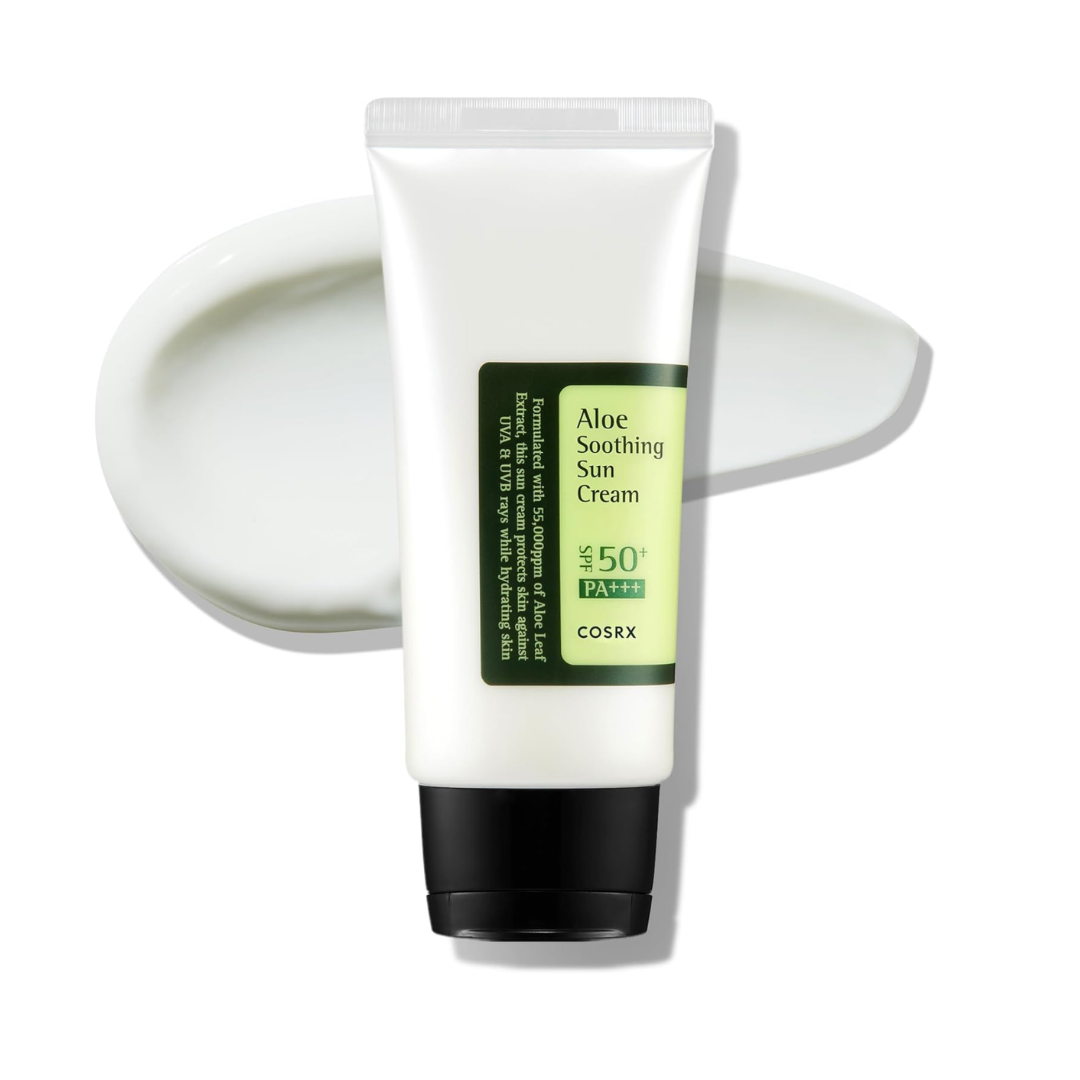
Our recommended SPF for Melanated skin is the COSRX Aloe Soothing Sun Cream SPF50. It is a chemical sunscreen that absorbs completely without leaving any white cast, feels lightweight on the skin, and is suitable for daily use.
How to Use SPF Correctly
- Apply SPF as the last step in your morning routine, after your moisturiser and before any makeup
- Use enough product, roughly a teaspoon across your entire face and neck
- Reapply every two hours if spending time outdoors
- Wear SPF every single morning regardless of the weather or whether you plan to go outside
- Do not rely on SPF in foundation or powder alone. Always wear dedicated SPF underneath
Building SPF Into Your Morning Routine
- Cleanse with Deep Cleansing Gel or Gentle Facial Cleanser
- Apply Vitamin C Glow Serum
- Apply Skin Radiant Moisturiser or FadeBright Moisturiser
- Apply COSRX Aloe Soothing SPF50 generously across face and neck
The Bottom Line
SPF is not just for lighter skin tones. Your fading serums, brightening moisturisers and corrective products are fighting a losing battle if UV rays are creating new pigmentation faster than your products can fade the old. SPF closes that loop. Wear it every day. SPF 50. No exceptions. 💜
Start your free skin consultation today
You deserve beautiful skin. 💜
Read more
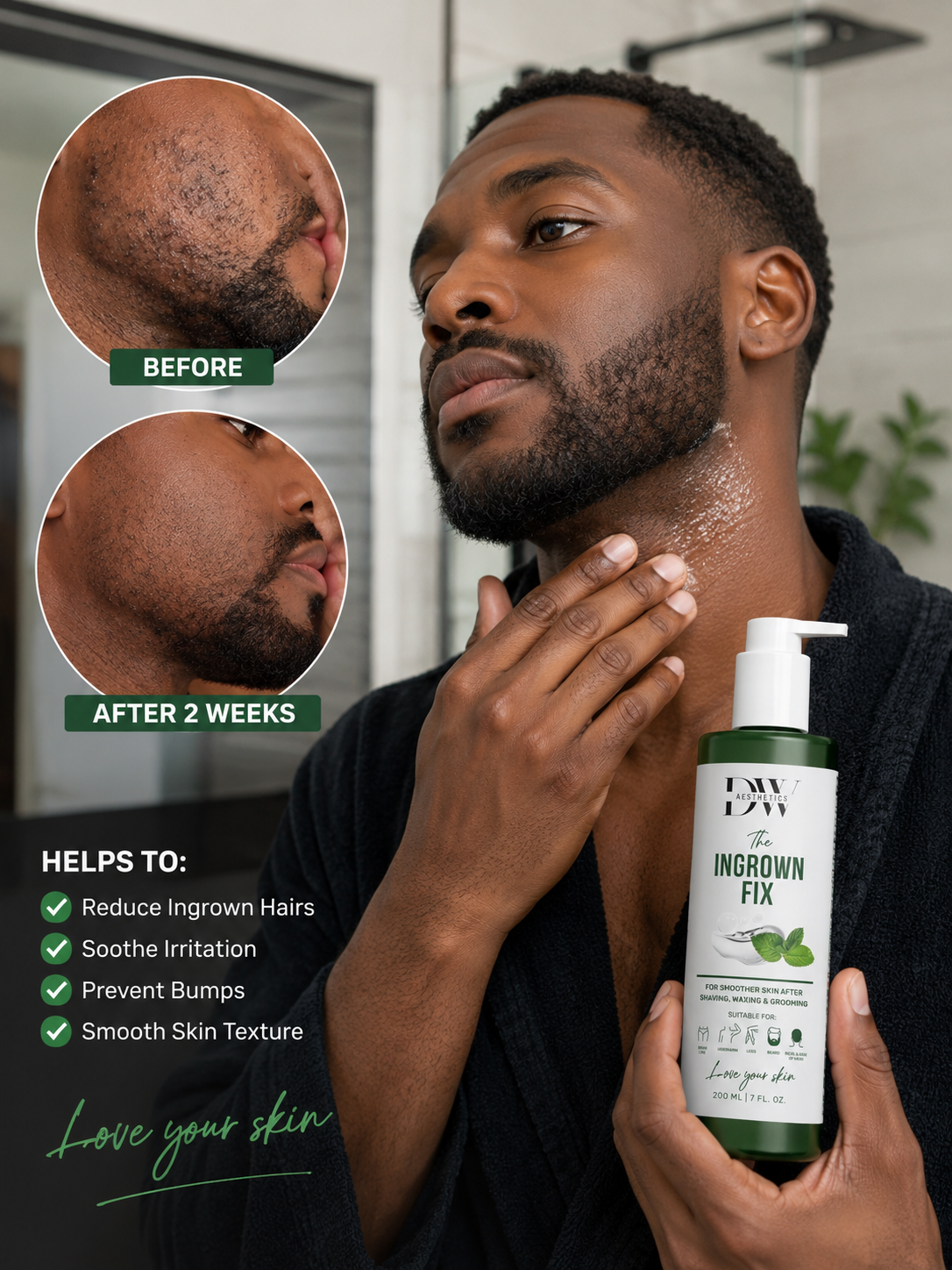
Why Do Ingrown Hairs Happen? Causes, Prevention and Treatment Guide
Ingrown hairs and razor bumps are more common in people with coily and tightly curled hair. Learn why they happen, how to prevent them and the best treatments available for Melanated skin.
Read more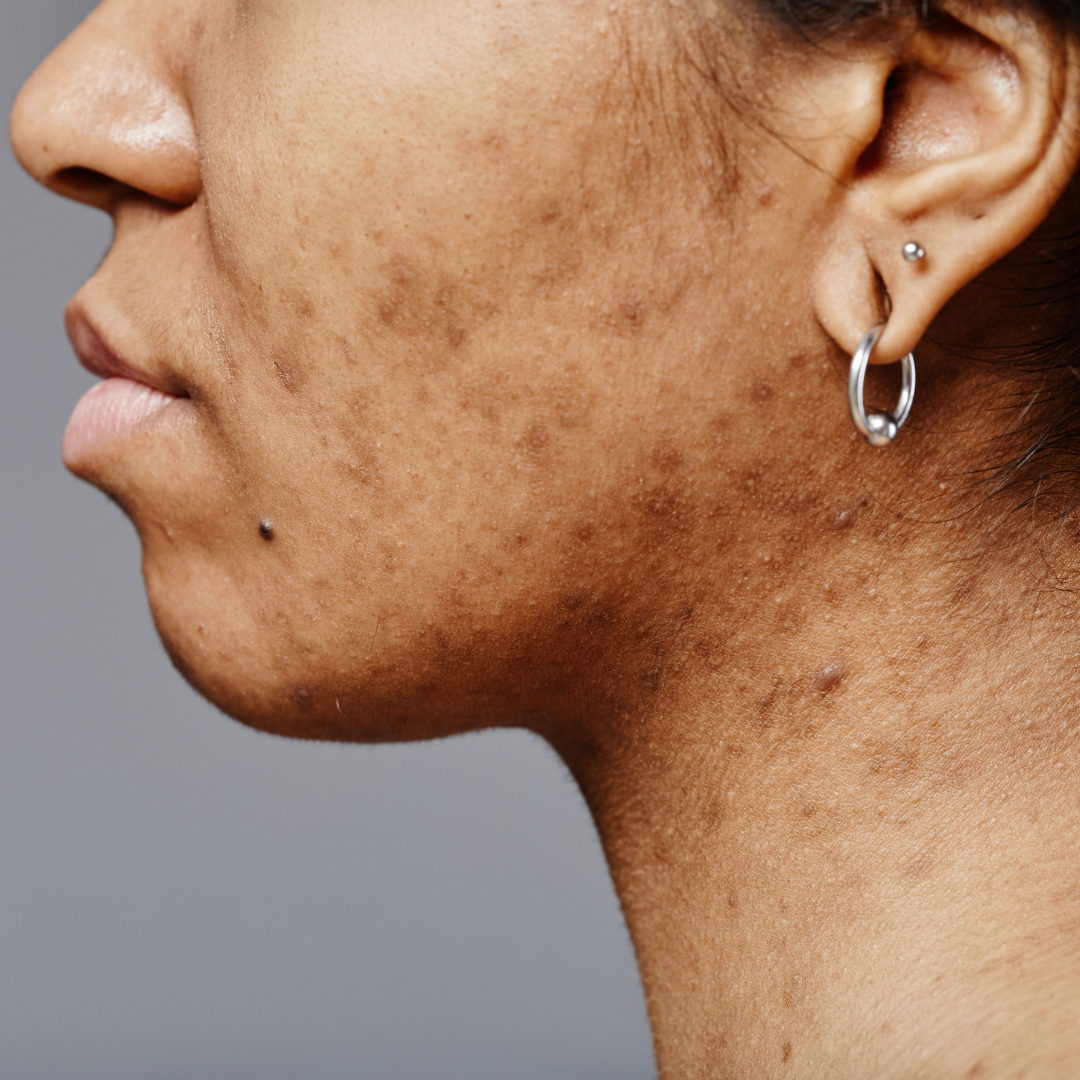
What Does Acne Prone Skin Mean? A Complete Guide for Melanated Skin
If you have been told you have acne prone skin, or if you notice that your skin breaks out regularly, you might be wondering what that actually means and more importantly, what you can do about it....
Read more