
Why Do Ingrown Hairs Happen? Causes, Prevention and Treatment Guide
If you have ever dealt with painful bumps after shaving, waxing or threading, you already know how frustrating ingrown hairs can be. They are uncomfortable, they can cause dark marks that last for months, and they seem to keep coming back no matter what you try.
The good news is that once you understand why ingrown hairs happen, preventing and treating them becomes much more straightforward. In this guide we are going to cover everything you need to know, from what actually causes ingrown hairs to the best ingredients and treatments available.
What Are Ingrown Hairs?
An ingrown hair occurs when a hair that has been cut or removed grows back into the skin rather than upward and out of the follicle. Instead of breaking through the surface, the hair curls sideways or downward and becomes trapped beneath the skin.
The result is a small raised bump, which can be red, inflamed and tender. In some cases the trapped hair is visible just beneath the surface. In others, the follicle becomes infected and forms a pus-filled spot. Either way, the inflammation caused by an ingrown hair on Melanated skin almost always leaves behind a dark mark once it heals.
Why Ingrown Hairs Happen
There are several reasons why ingrown hairs occur, and understanding them helps you make better choices about how you remove hair and care for your skin afterwards.
- Shaving creates a sharp tip on the end of the hair. When that sharp tip grows back, it can pierce the side of the follicle wall or re-enter the skin entirely rather than growing straight up and out.
- Dead skin cells block the follicle opening, forcing the hair to grow sideways beneath the surface rather than breaking through normally.
- Shaving against the grain cuts the hair below the skin surface, making it much more likely to become trapped as it grows back.
- Tight clothing and friction can push newly growing hairs back into the skin, particularly in areas like the bikini line and thighs.
- Dry skin makes the skin surface harder for hairs to break through, increasing the likelihood of them growing sideways beneath it.
Why Curly and Coily Hair Is More Prone to Ingrown Hairs
This is something that does not get talked about enough in mainstream skincare, but it is one of the most important things to understand if you have textured, coily or tightly curled hair.
Straight hair grows upward in a relatively direct path. Even after shaving, it tends to re-emerge from the follicle without too much difficulty. Coily and tightly curled hair is a completely different story.
The natural curve of the hair shaft means that as the hair grows, it follows a curved path. When that curved hair encounters resistance at the skin surface, instead of pushing through, it loops back on itself and re-enters the skin. This is why ingrown hairs are significantly more common in people with Afro-Caribbean, Black and South Asian hair textures, where the curl pattern is tightest.
This is also why razor bumps, known medically as pseudofolliculitis barbae, are so prevalent in men with textured hair who shave regularly, particularly around the beard and neck area. The combination of a tight curl pattern and frequent close shaving creates almost ideal conditions for ingrown hairs to develop.
Understanding this is empowering because it means ingrown hairs are not a hygiene issue or something you are doing wrong. They are a structural reality of having textured hair, and the solution is finding the right routine and the right products for your specific hair and skin type.
Common Areas Where Ingrown Hairs Occur
Bikini Line
The bikini line is one of the most common areas for ingrown hairs in women. The hair in this area tends to be coarser and curlier than elsewhere on the body, and the close shaving or waxing required in this area increases the risk significantly. Tight underwear and swimwear can also push growing hairs back into the skin.
Underarms
Underarm hair grows in multiple directions, which makes it particularly prone to becoming trapped after shaving or waxing. The skin in this area is also more sensitive and prone to irritation.
Legs
The legs are one of the largest shaving areas, and ingrown hairs are particularly common on the upper thighs and knees where the hair may be coarser. Dry skin on the legs makes the problem worse by preventing hairs from breaking through the surface normally.
Beard Area
For men with textured hair, the beard area is where ingrown hairs and razor bumps, pseudofolliculitis barbae, are most common and most severe. The combination of tight curl pattern, frequent shaving and the coarseness of beard hair creates significant challenges. Bumps along the jawline and chin are particularly common.
Neck
The neck is a particularly problematic area because the hair here tends to grow in multiple directions and the skin is curved, making it difficult to shave consistently in one direction. Razor bumps on the neck are extremely common in men with coily hair.
Back of Head
For men who shave or cut their hair very short, the back of the head and hairline are prone to ingrown hairs. This area is particularly associated with pseudofolliculitis barbae and can be difficult to treat due to its location.
What Are Razor Bumps?
Razor bumps, known medically as pseudofolliculitis barbae, are a specific type of ingrown hair reaction that occurs most commonly in the beard area after shaving. They appear as small raised bumps, often red or darker than the surrounding skin, and can range from mildly irritating to severely inflamed.
Unlike a simple ingrown hair, razor bumps can become a chronic condition if shaving continues without proper treatment and prevention. Over time, repeated razor bumps in the same area can cause permanent scarring and significant post-inflammatory hyperpigmentation on Melanated skin.
Pseudofolliculitis barbae affects a large proportion of Black men who shave regularly, making it one of the most significant and underaddressed skincare concerns for this group.
How to Prevent Ingrown Hairs
Prevention is always easier than treatment. Here are the most effective steps you can take:
- Exfoliate regularly between shaving sessions. Keeping the skin surface clear of dead cells prevents follicles from becoming blocked. A gentle AHA or BHA exfoliant used two to three times a week makes a significant difference.
- Always shave in the direction of hair growth, not against it. Shaving against the grain gives a closer shave but dramatically increases ingrown hair risk on textured hair.
- Use a sharp, clean blade. A dull blade requires more pressure and multiple passes, both of which increase trauma to the skin.
- Hydrate the skin thoroughly before shaving and use a quality shaving gel or cream to reduce friction and allow the blade to glide smoothly.
- Do not pull the skin taut while shaving. This allows the hair to retract below the skin surface after the blade passes, increasing the risk of it becoming trapped.
- Apply a soothing, anti-inflammatory treatment immediately after shaving to calm the skin before inflammation has a chance to trigger hyperpigmentation.
- Consider alternatives to close shaving such as electric trimmers or clippers, which do not cut as close to the skin and significantly reduce ingrown hairs in people with textured hair.
How to Treat Existing Ingrown Hairs
If you already have ingrown hairs, here is how to treat them effectively without making things worse:
- Do not pick, squeeze or dig at ingrown hairs. This introduces bacteria, causes more inflammation and significantly worsens the dark marks left behind.
- Apply a targeted treatment to the affected area to soften the skin and help the trapped hair work its way out naturally.
- Use a gentle exfoliant on the area to remove the dead skin cells covering the trapped hair. A Salicylic Acid or AHA product applied carefully can help the hair break through.
- Keep the area clean and moisturised to support healing and reduce the risk of infection.
- Once the hair has been released, switch focus to fading any dark marks left behind using targeted brightening ingredients.
Best Ingredients for Ingrown Hairs
Knowing which ingredients to look for makes choosing the right products much easier. Here are the most effective for treating and preventing ingrown hairs on Melanated skin:
Salicylic Acid
Salicylic Acid is a BHA that penetrates into the hair follicle, dissolving the oil and debris that can trap hairs beneath the surface. It also has anti-inflammatory properties that reduce the redness and swelling associated with ingrown hair bumps. It is one of the most important ingredients in any ingrown hair treatment routine.
Aloe Vera
Aloe Vera is a powerful soothing and anti-inflammatory ingredient that calms the skin immediately after hair removal. It reduces redness, soothes irritation and supports the skin's natural healing process. It is also deeply hydrating, which helps keep the skin supple and easier for hairs to break through naturally.
Tea Tree Extract
Tea Tree has natural antibacterial and antiseptic properties that help prevent infected ingrown hairs from developing. Applied after shaving or waxing, it reduces the risk of follicle infection and keeps the skin clear. It also has mild anti-inflammatory properties that help reduce the appearance of existing bumps.
AHAs (Glycolic and Lactic Acid)
Alpha Hydroxy Acids exfoliate the skin surface to prevent dead skin cells from blocking follicles. Regular use between hair removal sessions is one of the most effective preventative strategies for ingrown hairs.
Alpha-Arbutin and Kojic Acid
For the dark marks that ingrown hairs leave behind, Alpha-Arbutin and Kojic Acid are the most effective melanin-inhibiting ingredients for Melanated skin. Used consistently, they gradually fade post-inflammatory hyperpigmentation and prevent new marks from becoming as dark.
Niacinamide
Niacinamide reduces inflammation, regulates oil production and helps fade dark marks. It is very well tolerated and works well alongside most other active ingredients.
Our Recommended Solution
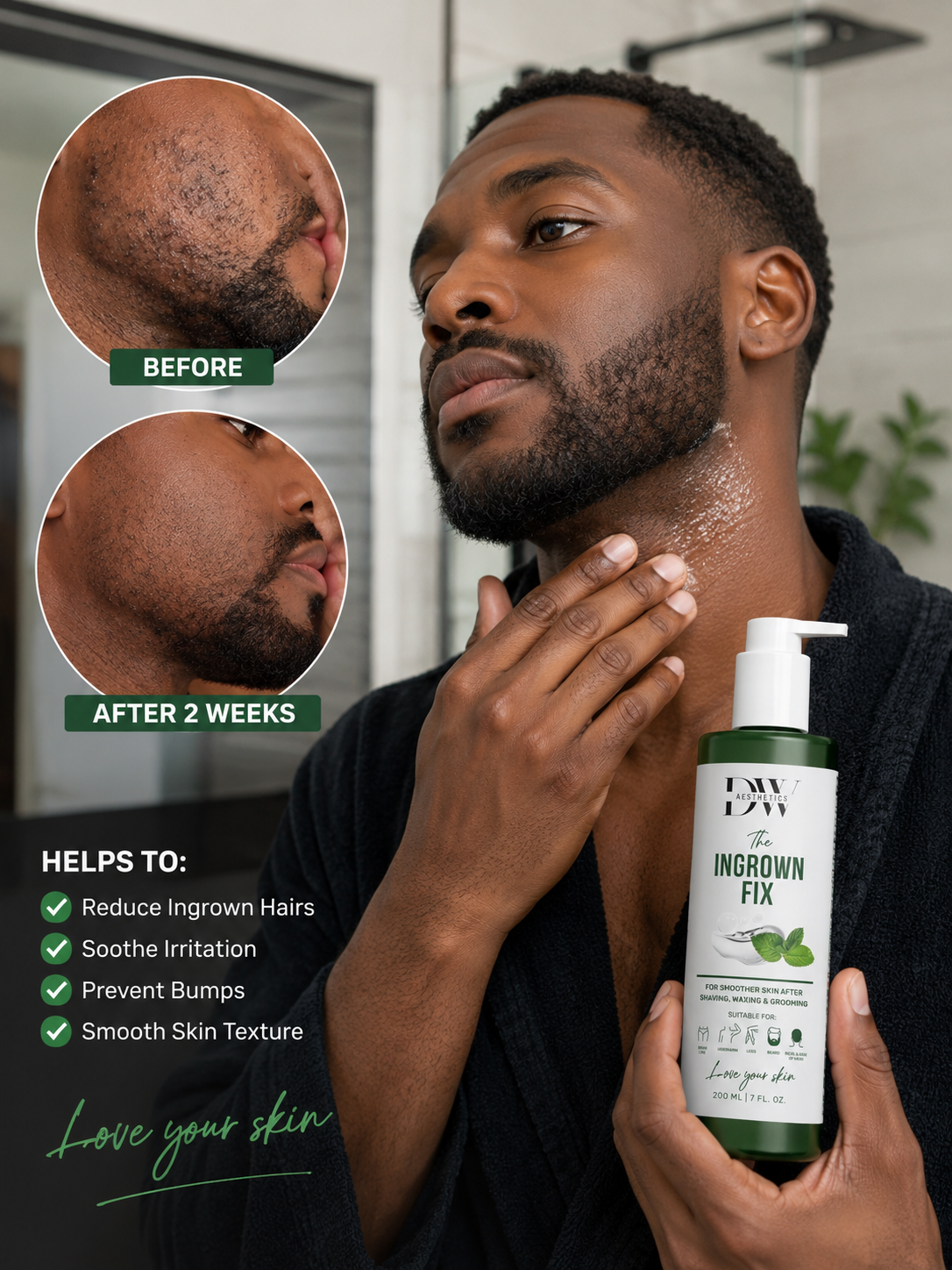
If you are dealing with ingrown hairs, razor bumps or shaving irritation, our THE INGROWN FIX has been formulated specifically to address these concerns on Melanated skin. It works to soothe irritation, reduce bumps and support the skin as trapped hairs release naturally. At just £24.00, it is an accessible and effective addition to any post-shaving or waxing routine.
Frequently Asked Questions
How long do ingrown hairs take to go away?
A mild ingrown hair will typically resolve on its own within one to two weeks if left alone. Using a targeted treatment with Salicylic Acid or AHAs can speed up this process. The dark mark left behind may take 8 to 12 weeks to fade with consistent use of the right brightening ingredients.
Should I pop an ingrown hair?
No. Popping or squeezing an ingrown hair introduces bacteria, causes further inflammation and significantly worsens the dark mark left behind. If the hair is visible just beneath the surface, a sterilised needle can be used to gently tease it out, but never squeeze.
Why do I keep getting ingrown hairs in the same place?
Repeat ingrown hairs in the same area are usually caused by a combination of the hair pattern in that area and the hair removal method being used. Switching to a less close shave, improving exfoliation and using a targeted prevention treatment between sessions can break the cycle.
Are ingrown hairs more common in dark skin?
Ingrown hairs are more common in people with coily and tightly curled hair, which is more prevalent in those with Melanated skin. The tight curl pattern makes it significantly more likely for hairs to loop back into the skin after removal. They are also more damaging on Melanated skin because the inflammation response is stronger and more likely to cause lasting dark marks.
Can ingrown hairs cause permanent scarring?
Repeated, untreated ingrown hairs in the same area can lead to permanent scarring and post-inflammatory hyperpigmentation. Treating them promptly and correctly, and using SPF daily to protect healing skin from UV damage, significantly reduces this risk.
Final Thoughts
Ingrown hairs are one of those skin concerns that can feel relentless, but with the right routine, the right ingredients and the right hair removal technique, they are very manageable. The key is understanding your specific hair and skin type and building a routine around those needs rather than following generic advice that was not designed with textured hair in mind.
If you are not sure where to start, our Beauty Experts offer a completely free personalised skin consultation. We will help you build a routine that addresses both ingrown hairs and any hyperpigmentation they have caused.
Book your free skin consultation here
You deserve beautiful skin. 💜
Read more
Understanding Melasma: Causes, Treatments and What Actually Works on Melanated Skin
Melasma causes stubborn brown patches on the face and is particularly persistent on Melanated skin. Learn what causes it and the most effective treatments for darker skin tones.
Read more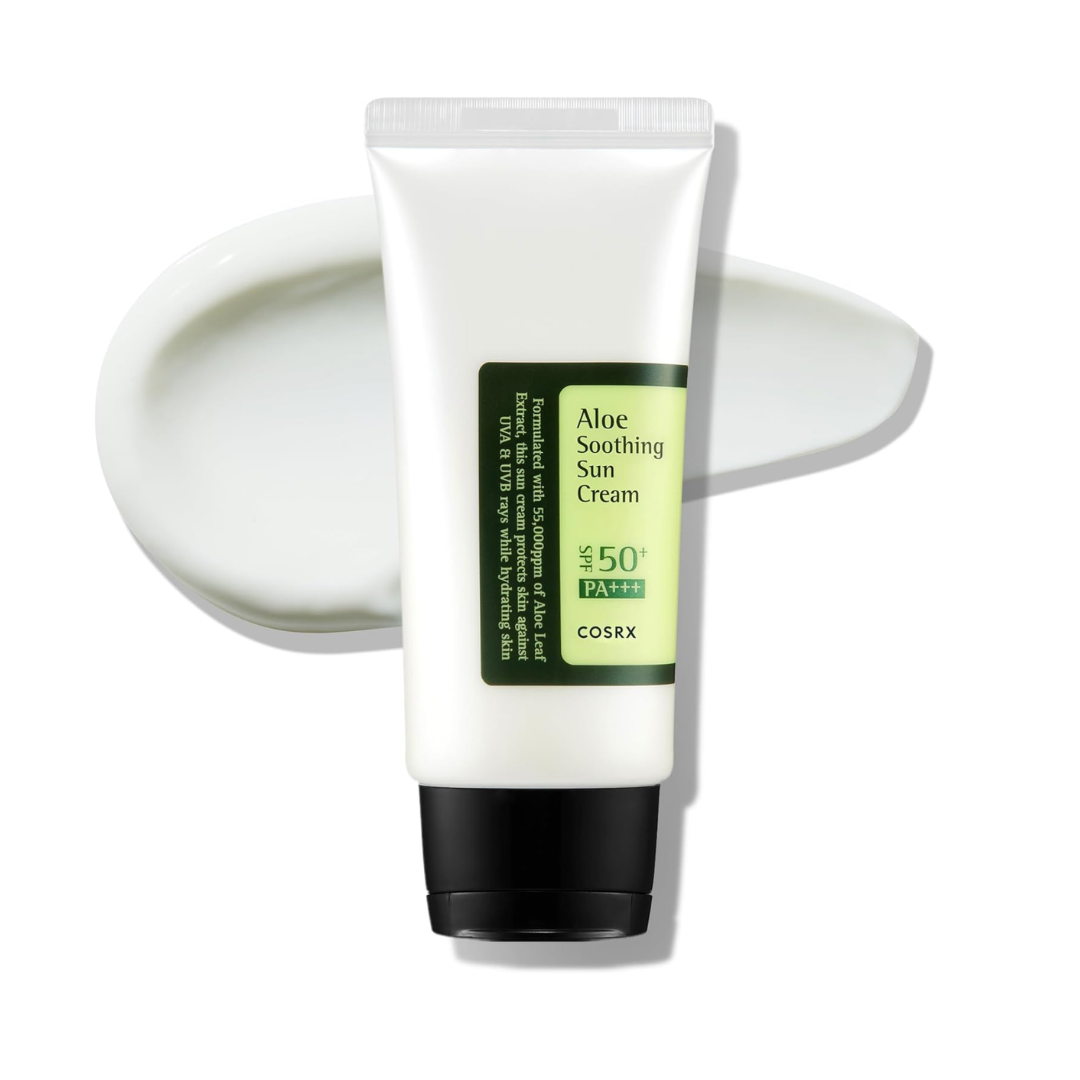
SPF for Dark Skin: Why You Still Need It Every Single Day
Think SPF is only for lighter skin tones? Think again. Here is why daily sun protection is even more important for Melanated skin and how to choose the right formula.
Read more