

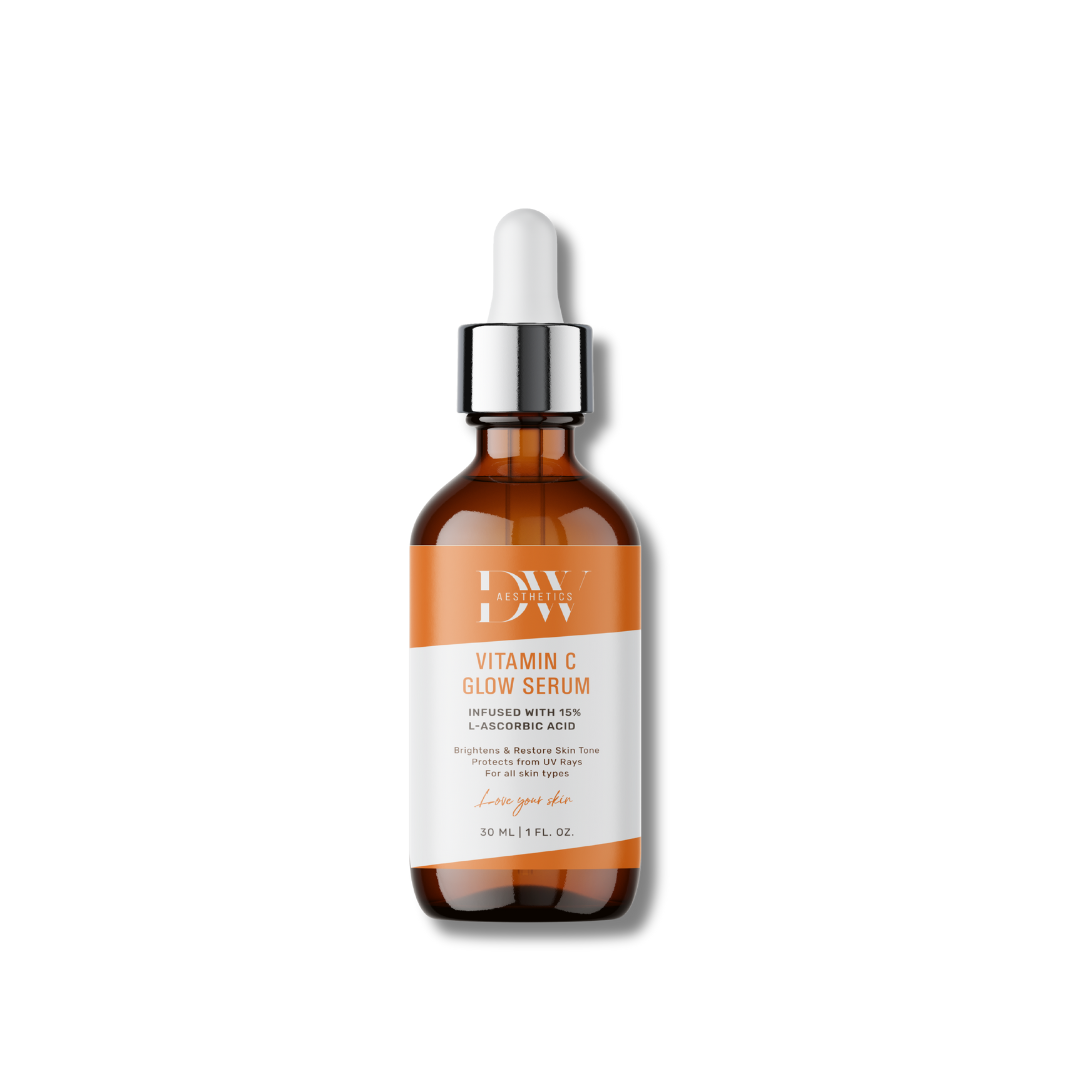
What Does Vitamin C Do for Your Skin? The Complete Guide
Vitamin C is one of the most talked about ingredients in skincare, and for good reason. It has strong scientific evidence behind it and delivers multiple benefits that are particularly valuable for women with Melanated skin dealing with hyperpigmentation, dark spots or uneven skin tone.
What Does Vitamin C Do for Your Skin?
Brightens and Evens Skin Tone
Vitamin C inhibits tyrosinase, the enzyme responsible for converting amino acids into melanin. By slowing this process, it helps to fade existing dark spots and prevent new ones from forming. Over time it visibly brightens the complexion and evens out skin tone.
Neutralises Free Radical Damage
Vitamin C is a powerful antioxidant. It neutralises free radicals generated by UV exposure, pollution and stress that damage skin cells and accelerate the formation of dark spots.
Boosts Collagen Production
Vitamin C is essential for collagen synthesis, keeping skin firm, plump and smooth. It helps to stimulate new collagen, improving skin texture and keeping skin looking youthful.
Enhances SPF Protection
When used alongside SPF, Vitamin C provides an additional layer of antioxidant protection against UV damage, making your morning routine significantly more effective at preventing new pigmentation.
How Vitamin C Compares to Other Brightening Ingredients
- Vitamin C vs Alpha-Arbutin: Alpha-Arbutin works at the melanin production stage while Vitamin C works as an antioxidant and brightener. They address different pathways and work very well together. Use Vitamin C in the morning and Alpha-Arbutin via our Active Fading Serum in the evening.
- Vitamin C vs Kojic Acid: Kojic Acid is a stronger melanin inhibitor for stubborn deep spots, while Vitamin C provides broader antioxidant and brightening benefits. Combining them is often more effective than either alone.
- Vitamin C vs Niacinamide: Niacinamide is more hydrating and barrier-supportive, while Vitamin C is more potent as a brightener. They can be used together at different times of day.
- Vitamin C vs Retinol: Retinol accelerates cell turnover and is used in the evening, while Vitamin C is used in the morning and is more suitable for daily long-term use.
The Best Form of Vitamin C for Melanated Skin
The most potent and well-researched form is L-Ascorbic Acid. Our Vitamin C Glow Serum contains 15% L-Ascorbic Acid paired with Hyaluronic Acid to deliver brightening and hydration together.
How to Use Vitamin C in Your Routine
Always use Vitamin C in the morning. It works best as a protective antioxidant during the day when your skin faces environmental stressors.
- Cleanse with our Deep Cleansing Gel or Gentle Facial Cleanser
- Apply Vitamin C Glow Serum to clean skin and allow to absorb for 1 to 2 minutes
- Apply FadeBright Moisturiser or Skin Radiant Moisturiser
- Finish with COSRX Aloe Soothing SPF50
Most customers notice improved radiance within 2 to 4 weeks, with visible fading of dark spots within 8 to 12 weeks of consistent daily use.
Not Sure Which Products Are Right for You?
Book your free consultation here
You deserve beautiful skin. 💜
Read more
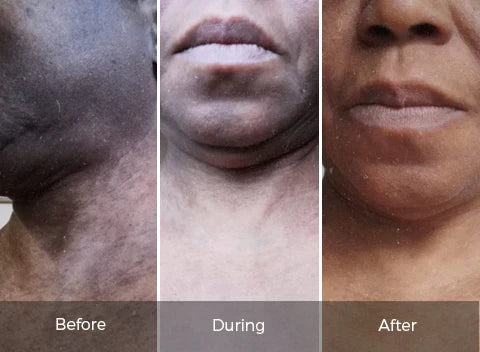
How to Get Rid of Uneven Skin Tone on Melanated Skin
Uneven skin tone is caused by excess melanin production and is particularly persistent on Melanated skin. Learn the most effective ingredients and routines to achieve an even complexion.
Read more
Is Vitamin C Good for Acne? What Melanated Skin Needs to Know
Vitamin C is highly effective for acne-prone Melanated skin, helping to fade post-acne dark marks and reduce inflammation. Learn how to use it for maximum results.
Read more