

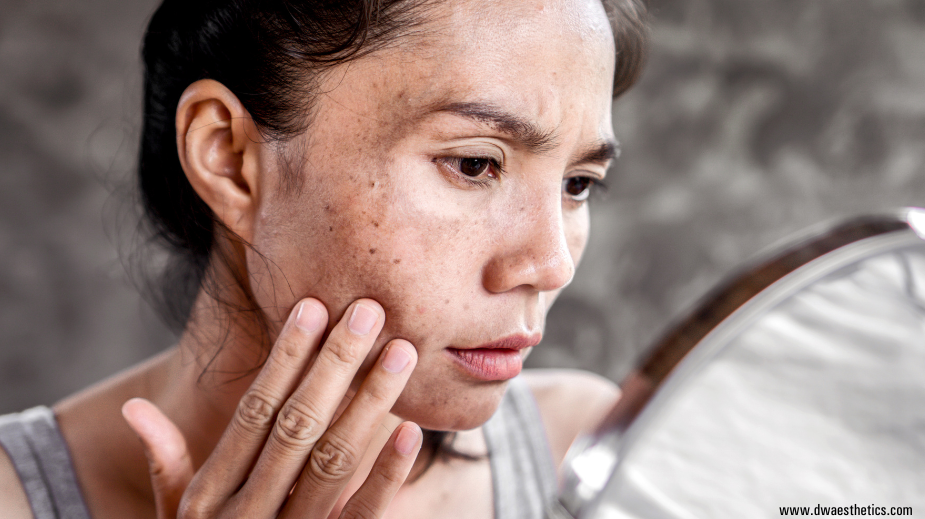
Understanding Melasma: Causes, Treatments and What Actually Works on Melanated Skin
Melasma is one of the most stubborn and emotionally difficult skin conditions to deal with. The symmetrical dark patches that appear on the cheeks, forehead and upper lip can feel impossible to shift, and for women with Melanated skin, the contrast and persistence of melasma is often even more pronounced.
What is Melasma?
Melasma causes brown or grey-brown patches to appear on the face, most typically on the cheeks, forehead, upper lip, chin and bridge of the nose. Unlike other forms of hyperpigmentation, melasma originates in the deeper layers of the skin, which is part of what makes it so persistent.
What Causes Melasma?
Hormonal triggers
Melasma is strongly linked to hormonal changes. It frequently appears during pregnancy and can be triggered or worsened by hormonal contraceptives and hormone replacement therapy.
UV exposure
UV rays directly stimulate melanin production. Even short periods of unprotected sun exposure can darken melasma significantly and undo weeks of treatment progress. Daily SPF is essential.
Genetic predisposition
Melasma is significantly more common in women with Melanated skin, including those of African, South Asian, Latin American and Middle Eastern heritage.
Why is Melasma Harder to Treat on Darker Skin?
Because melasma on Melanated skin tends to sit deeper in the skin, many treatments that work on lighter skin, such as certain laser treatments and aggressive chemical peels, carry a significant risk of causing post-inflammatory hyperpigmentation on deeper skin tones. This is why gentle, consistent skincare is generally the safest and most effective approach.
The Full Range of Effective Treatments
Melanin Inhibitors
- Alpha-Arbutin is one of the safest long-term options for melasma on Melanated skin. Found in our Active Fading Serum alongside Kojic Acid for a powerful double-action treatment.
- Kojic Acid works particularly well on stubborn deep pigmentation like melasma.
- Tranexamic Acid is increasingly recognised as one of the most effective treatments specifically for melasma, working on the deeper melanin pathways that other ingredients do not reach.
- Niacinamide reduces melanin transfer and is gentle enough to use alongside most other melasma treatments.
- Azelaic Acid inhibits melanin production and has anti-inflammatory properties. It is considered safe during pregnancy, unlike some other actives.
Exfoliants and Cell Turnover
- AHAs help accelerate cell turnover. Our Reveal Facial Peel powered by Glycolic and Salicylic Acid reveals brighter, smoother skin and is ideal for monthly use alongside your daily routine.
- Retinoids significantly accelerate cell turnover. Use in the evening only, always with SPF. Not suitable during pregnancy.
Antioxidants
- Vitamin C used in the morning both brightens existing pigmentation and provides antioxidant protection. Our Vitamin C Glow Serum with 15% L-Ascorbic Acid is the ideal morning treatment for melasma.
Sun Protection
- SPF50 daily is the single most important step in managing melasma. Our COSRX Aloe Soothing SPF50 absorbs completely with no white cast, making it easy to wear every day without compromise.
A Complete Melasma Routine
- Cleanse with Gentle Facial Cleanser
- Morning: apply Vitamin C Glow Serum
- Evening: apply Active Fading Serum
- Moisturise with Skin Radiant Corrective Complexion Moisturiser
- Every morning: COSRX SPF50
Managing Expectations
Melasma is a chronic condition that can be managed very effectively but may require ongoing maintenance. Most customers see significant improvement within 10 to 16 weeks of a consistent routine.
Get a Personalised Melasma Treatment Plan
Start your free skin consultation here
You deserve beautiful skin. 💜
Read more
What is the Best Cleanser for My Skin Type? A Guide for Melanated Skin
Choosing the right cleanser is essential for Melanated skin. Learn how to identify your skin type and find the best cleanser to support your hyperpigmentation routine.
Read more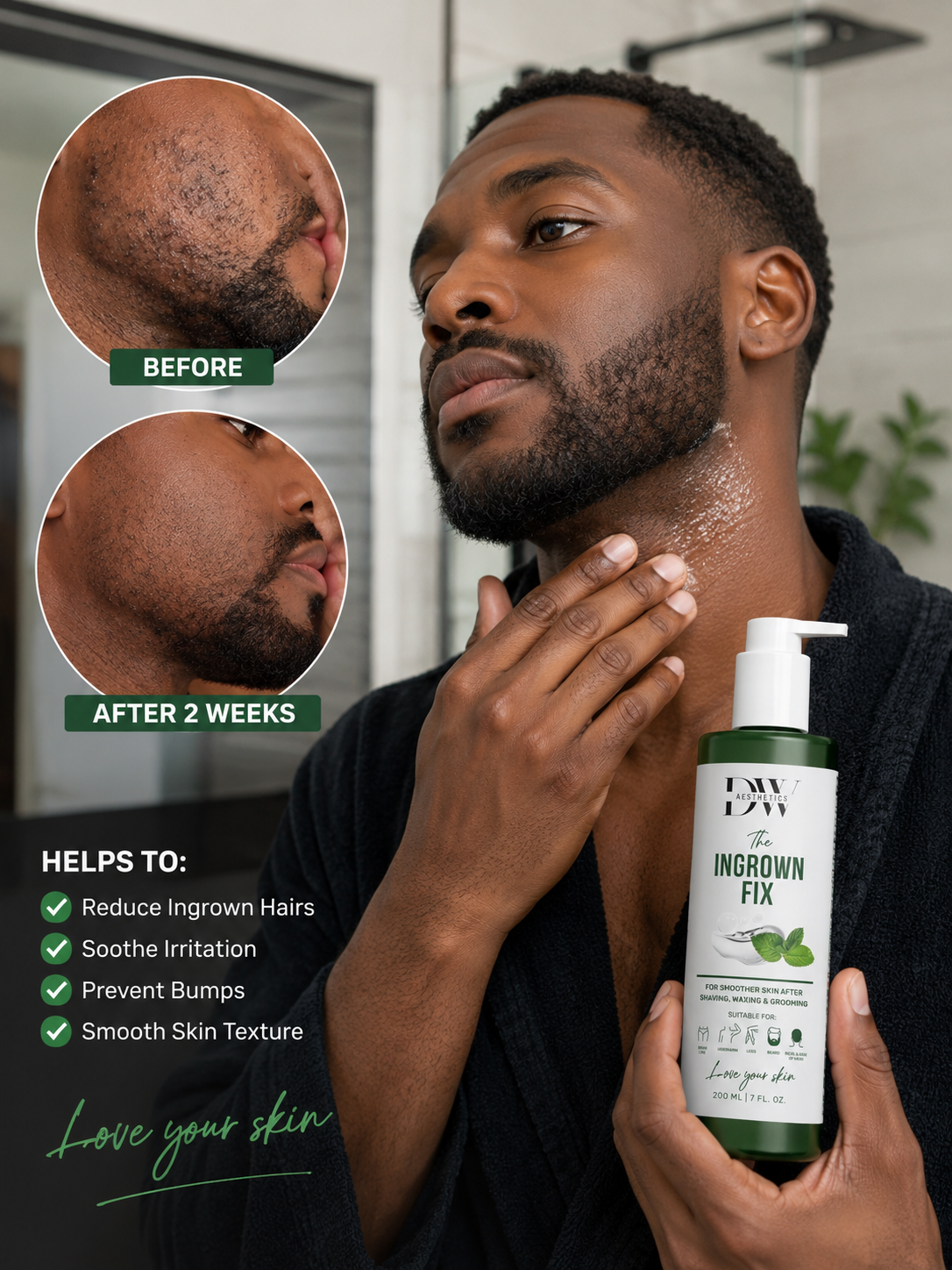
Why Do Ingrown Hairs Happen? Causes, Prevention and Treatment Guide
Ingrown hairs and razor bumps are more common in people with coily and tightly curled hair. Learn why they happen, how to prevent them and the best treatments available for Melanated skin.
Read more